Showing posts with label CBE Study Materials. Show all posts

Tuesday, July 27, 2010

CBE Study Tip 2: Study Aids


In our first study tip, we discussed the importance of obtaining all of the required resources that are necessary to take the exam. This study tip focuses on the various study aids and materials available to help you prepare for the exam.

The percentage of people who pass the Customs Broker Exam the first time is low, ranging from 3% to 25%. While it is possible to pass the Customs Broker Exam using only the required exam materials, most people find using a variety a supplemental materials and exam study courses significantly increases their potential of passing the exam. The use of additional study materials also improves comprehension and makes better use of limited study time.

Some people learn better by actually doing a task, while others need to read the instructions or hear the instructions. Determining your style of learning and how you learn the best is the key to studying for the exam. If you do not have time to go to lectures, you may prefer correspondence or online courses. If you comprehend better by hearing the information, you may prefer audio lectures or classroom instruction. You should seriously consider the time you have to commit to studying and your learning style when selecting study courses and training materials. We have listed just a few options for using supplemental study aids and courses here.

1. Past Exams
Taking the past exams is a good way to become familiar with the format and types of questions that appear on the test. Using past exams as a study aid also helps you learn the materials, boosts confidence, shows your progress, as well as areas that need improvement. Although not a frequent occurrence, almost all of the questions on the October 2009 came from the collection of previous exams.

2. DVD's, CD's & MP3’s
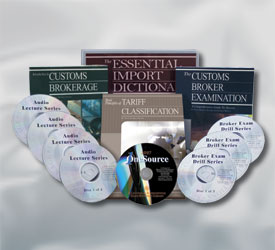
If you want the convenience of learning at your own pace, DVD's CD's and MP3’s allow you to study from the comfort of your home or office and may be reviewed as often as you like. CD's and MP3’s provide audio which is great for listening to during your daily commute or walk around the block. The DVD's usually simulate a classroom environment, but the advantage is that you can view the lectures at your convenience rather than commute to a class.

3. Online Study Courses
For students who want the convenience of studying at their own pace, online courses provide instruction, examples, quizzes and other tools that are usually available 24/7 anywhere you have an Internet connection.

Boskage Commerce Publications offers a variety of courses, study plans and other materials designed to fit different learning styles, experience levels and needs of students. Click HERE to view a variety of materials and courses. Consider your learning style as you review each of these options. We sincerely believe you will find that one or a combination of several can fit your needs perfectly; however, we may be able to customize plans to fit your needs. Be sure to check out the Customs Broker Exam Room Guide, a perfect resource for regular study and use on test day. This coil bound book contains all CATAIR sections, Directives and miscellaneous resources that will be tested on the upcoming exam. The Guide also includes quick-reference fact sheets such as Incoterms, trade program indicators, types of appraisement, acronyms, CBP fees and more.

Stay tuned to the Boskage Trade News for more helpful hints on studying for the Customs Broker Exam! The next article will provide the pros and cons of using the loose-leaf version of the CBP Regulations. We also welcome any suggestions on topics you would like to see discussed.

Thursday, January 21, 2010

Customs Broker Exam Study Tip 2: Study Aids


In our first study tip, we discussed the importance of obtaining all of the required resources that are necessary to take the exam. This study tip will focus on the various study aids and materials that will help you prepare for the exam.

The percentage of people who pass the Customs Broker Exam the first time is low, ranging from 3% to 25%. While it is possible to pass the Customs Broker Exam using only the required exam materials, most people find using a variety a supplemental materials and exam study courses significantly increases their potential of passing the exam. The use of additional study materials also improves comprehension and makes better use of limited study time.

Some people learn better by actually doing a task, while others need to read the instructions or hear the instructions. Determining your style of learning and how you learn the best is the key to studying for the exam. If you do not have time to go to lectures, you may prefer correspondence or online courses. If you comprehend better by hearing the information, you may prefer audio lectures or classroom instruction. You should seriously consider the time you have to commit to studying and your learning style when selecting study courses and training materials. We have listed just a few options for using supplemental study aids and courses here.

1. Past Exams
Taking the past exams is a good way to become familiar with the format and types of questions that appear on the test. Using past exams as a study aid also helps you learn the materials, boosts confidence, shows your progress, as well as areas that need improvement. Although not a frequent occurrence, almost all of the questions on the October 2009 came from the collection of previous exams.

2. DVD's, CD's & MP3’s
If you want the convenience of learning at your own pace, DVD's CD's and MP3’s allow you to study from the comfort of your home or office and may be reviewed as often as you like. CD's and MP3’s provide audio which is great for listening to during your daily commute or walk around the block. The DVD's usually simulate a classroom environment, but the advantage is that you can view the lectures at your convenience rather than commute to a class.

3. Online Study Courses
For students who want the convenience of studying at their own pace, online courses provide instruction, examples, quizzes and other tools that are usually available 24/7 anywhere you have an Internet connection.

Boskage Commerce Publications offers a variety of courses, study plans and other materials designed to fit different learning styles, experience levels and needs of students. Click HERE to view a variety of materials and courses. Consider your learning style as you review each of these options. We sincerely believe you will find that one or a combination of several can fit your needs perfectly; however, we may be able to customize plans to fit your needs. Be sure to check out the Customs Broker Exam Room Guide, a perfect resource for regular study and use on test day. This coil bound book contains all CATAIR sections, Directives and miscellaneous resources that will be tested on the upcoming exam. The Guide also includes quick-reference fact sheets such as Incoterms, trade program indicators, types of appraisement, acronyms, CBP fees and more.

Stay tuned to the Boskage Trade News for more helpful hints on studying for the Customs Broker Exam! The next article will provide the pros and cons of using the loose-leaf version of the CBP Regulations. We also welcome any suggestions on topics you would like to see discussed.

Friday, January 15, 2010

Customs Broker Exam Study Tip 1: Required Resources

Welcome to our series of blogs dedicated to providing tips for taking the Customs Broker Exam!

Now that you have made the decision to take the April 2010 Customs Broker Exam, it is important develop a study plan that guarantees your chances of success. Boskage wants to help you achieve your goal of passing the exam; therefore, we are starting a series of articles to support you on your journey to success! Our first topic in this series focuses on exam resources.

The first step in your plan should be acquiring the required texts and study materials. These materials come in two categories, “required” and “study aids”. Required materials are those that students must have because questions on the exam have been selected from these sources. CBP lists the required materials in the Notice of Examination. The required materials are listed below and you should obtain them now if do not already have them. All of the required materials can be purchased from
Boskage Commerce Publications.

Required Exam Resources

1. Harmonized Tariff Schedule of the United States (2009 version) with Supplements

It is important to use this edition since questions often require the determination of the correct HTS number, duty rate and applicability of Free Trade Agreements, all of which may change slightly from year to year.

2.Title 19, Code of Federal Regulations (revised as of April 1, 2009) Parts 0 to140, 141 to 199
Last year, CBP included Parts 200 to End on the Exam; however, it appears that these will not be required for the April 2010 Exam.Part 149 covering ISF was added to Title 19 in 2009, so it is a target for this exam.

3. Customs and Trade Automated Interface Requirements (CATAIR)
· Appendix B - Valid Codes
· Appendix D - Metric Conversion
· Appendix E - Valid Entry Numbers
· Appendix G - Common Errors
· Appendix H - Census Warning Messages
· Appendix L - Drawback Errors
· Glossary of Terms


4. Instructions for Preparation of CBP Form 7501 (8-30-2005)

5. Submission Changes for Supplemental Information Letters and Post Entry Amendments-Remote Location Filing Eligibility Requirements

6. Directives
· 3510-004, Monetary Guidelines for Setting Bond Amounts
· Amendment to 3510-004 for Certain Merchandise Subject to Antidumping/Countervailing Duty Cases
· 3550-055, Instructions for Deriving Manufacturer/Shipper Identification Code
· 3550-067, Entry Summary Acceptance and Rejection Policy
· 3550-079A, Ultimate Consignee at time of Entry or Release
· 3560-001A, Census Interface-Processing Procedures
· 5610-002A, Standard Guidelines for the Input of Names and Addresses Into Automated Commercial System (ACS) Files

Note: The use of any versions of the listed references other than those recommended is at the applicant's own risk.


Seeing this list of resources on paper and as a stack of documents on your desk can seem quite overwhelming. We’ll discuss organization of your materials in an upcoming article. Stay tuned to the Boskage Trade News for more helpful hints on studying for the Customs Broker Exam! The next article will cover the second category of exam resources, the “Exam Study Aids”. We also welcome any suggestions on topics you would like to see discussed. Post comments and suggestions in the commentary or email wizard@boskage.com

Thursday, August 6, 2009

Customs Broker Exam Study Tip 2: Exam Study Aids


In our first study tip, we discussed the importance of obtaining all of the required resources that are necessary to take the exam. This study tip will focus on the various study aids and materials that will help you prepare for the exam.

The percentage of people who pass the Customs Broker Exam the first time is low, ranging from 3% to 25%. While it is possible to pass the Customs Broker Exam using only the required exam materials, most people find using a variety a supplemental materials and exam study courses significantly increases their potential of passing the exam. The use of additional study materials also improves comprehension and makes better use of limited study time.

Some people learn better by actually doing a task, while others need to read the instructions or hear the instructions. Determining your style of learning and how you learn the best is the key to studying for the exam. If you do not have time to go to lectures, you may prefer correspondence or online courses. If you comprehend better by hearing the information, you may prefer audio lectures or classroom instruction. You should seriously consider the time you have to commit to studying and your learning style when selecting study courses and training materials. We have listed just a few options for using supplemental study aids and courses here.

1. Past Exams
Taking the past exams is a good way to become familiar with the format and types of questions that appear on the test. Using past exams as a study aid also helps you learn the materials, boosts confidence, shows your progress, as well as areas that need improvement.

2. DVD's and CD's
If you want the convenience of learning at your own pace, CD's and DVD's allow you to study from the comfort of your home or office and may be reviewed as often as you like. CD's provide audio which is great for listening to during your daily commute. The DVD's usually simulate a classroom environment, but the advantage is that you can view the lectures at your convenience rather than commute to a class.

3. Online Study Courses
For students who want the convenience of studying at their own pace, online courses provide instruction, examples, quizzes and other tools that are usually available 24/7 anywhere you have an Internet connection.

Boskage Commerce Publications offers a variety of courses, study plans and other materials designed to fit different learning styles, experience levels and needs of students. Click HERE to view a variety of materials and courses. Consider your learning style as you review each of these options. We sincerely believe you will find that one or a combination of several can fityour needs perfectly; however, we may be able to customize plans to fit your needs. Be sure to check out the Customs Broker Exam Room Guide, a perfect resource for regular study and use on test day. This coil bound book contains all CATAIR sections, Directives and miscellaneous resources that will be tested on the upcoming exam. The Guide also includes quick-reference fact sheets such as Incoterms, trade program indicators, types of appraisement, acronyms, CBP fees and more. The October 2009 edition contains a summary of the antidumping and ISF regulations which was added to the testing materials this year.

Stay tuned to the Boskage Trade News for more helpful hints on studying for the Customs Broker Exam! The next article will provide the pros and cons of using the loose-leaf version of the CBP Regulations. We also welcome any suggestions on topics you would like to see discussed.

Friday, July 31, 2009

Customs Broker Exam Study Tip 1: Required Exam Resources

Now that you have made the decision to take the October Customs Broker Exam, it is important develop a study plan that guarantees your chances of success. Boskage wants to help you achieve your goal of passing the exam; therefore, we are starting a series of articles to support you on your journey to success! Our first topic in this series focuses on exam resources.

The first step in your plan should be acquiring the required texts and study materials. These materials come in two categories, “required” and “study aids”. Required materials are those that students must have because questions on the exam have been selected from these sources. CBP lists the required materials in the Notice of Examination. The required materials are listed below and you should obtain them now if do not already have them. All of the required materials can be purchased from
Boskage Commerce Publications.

Required Exam Resources
1. Harmonized Tariff Schedule of the United States (2009 version) (Supplement 1)

2. Title 19, Code of Federal Regulations (revised as of April 1, 2009) Parts 0 to140, 141 to 199 and 200 to End) (no supplements)
CBP added Part 200 to End for the April2009 Exam and there were five (5) questions from Part 351 on antidumping. Part 149 covering ISF was added to Title 19 this year, so it is a target for the upcoming October exam.

3. Customs and Trade Automated Interface Requirements (CATAIR)

· Appendix B - Valid Codes
· Appendix D - Metric Conversion
· Appendix E - Valid Entry Numbers
· Appendix G - Common Errors
· Appendix H - Census Warning Messages
· Appendix L - Drawback Errors
· Glossary of Terms

4. Instructions for Preparation of CBP Form 7501 (8-30-2005)

5. C-TPAT - Minimum Security Criteria for Customs Brokers (3-20-2007)

6. Submission Changes for Supplemental Information Letters and Post Entry Amendments

7. CBP Directives

· 3510-004, Monetary Guidelines for Setting Bond Amounts
· Amendment to 3510-004 for Certain Merchandise Subject to Antidumping/Countervailing Duty Cases
· 3550-055, Instructions for Deriving Manufacturer/Shipper Identification
· 3550-067, Entry Summary Acceptance and Rejection
· 3550-079A, Ultimate Consignee at time of Entry or Release
· 3560-001A, Census Interface-Processing Procedures
· 5610-002A, Standard Guidelines for the Input of Names and Addresses Into Automated Commercial System (ACS) Files

Note: The use of any versions of the listed references other than those recommended is at the applicant's own risk.


Seeing this list of resources on paper and as a stack of documents on your desk can seem quite overwhelming. We’ll discuss organization of your materials in an upcoming article. Stay tuned to the Boskage Trade News for more helpful hints on studying for the Customs Broker Exam! The next article will cover the second category of exam resources, the “Exam Study Aids”. We also welcome any suggestions on topics you would like to see discussed.

The Wizard is taking a break from the weekly "Ask the Wizard" article. Check back next week when the Wizard answers one of the questions submitted by our readers.

Monday, February 16, 2009

Customs Broker Exam Study Tip 2: Exam Study Aids


In our first study tip, we discussed the importance of obtaining all of the required resources that are necessary to take the exam. This study tip will focus on the various study aids and materials that will help you prepare for the exam.

The percentage of people who pass the Customs Broker Exam the first time is low, ranging from 3% to 25%. While it is possible to pass the Customs Broker Exam using only the required exam materials, most people find using a variety a supplemental materials and exam study courses significantly increases their potential of passing the exam. The use of additional study materials also improves comprehension and makes better use of limited study time.

Some people learn better by actually doing a task, while others need to read the instructions or hear the instructions. Determining your style of learning and how you learn the best is the key to studying for the exam. If you do not have time to go to lectures, you may prefer correspondence or online courses. If you comprehend better by hearing the information, you may prefer audio lectures or classroom instruction. You should seriously consider the time you have to commit to studying and your learning style when selecting study courses and training materials. We have listed just a few options for using supplemental study aids and courses here.

1. Past Exams
Taking the past exams is a good way to become familiar with the format and types of questions that appear on the test. Using past exams as a study aid also helps you learn the materials, boosts confidence, shows your progress, as well as areas that need improvement.

2. DVD's and CD's
If you want the convenience of learning at your own pace CD's and DVD's allow you to study from the comfort of your home or office and may be reviewed as often as you like. CD's provide audio which is great for listening to on your daily commute. The DVD's usually simulate a classroom environment but the advantage is that you can view the lectures at your convenience rather than commute to a class.

3. Online Study Courses
For students who want the convenience of studying at their own pace, online courses provide instruction, examples, quizzes and other tools that are usually available 24/7 and anywhere you have an Internet connection.

Boskage Commerce Publications offers a variety of courses, study plans and other materials designed to fit different learning styles, experience levels and needs of students. Click HERE to view a variety of materials and courses. Consider your learning style as you review each of these options. We sincerely believe you will find that one or a combination of several that fits your needs perfectly; however, we may be able to customize plans to fit your needs. Be sure to check out the Customs Broker Exam Room Guide, a perfect resource for regular study and use on test day. This coil bound book contains all CATAIR sections, Directives and miscellaneous resources that will be tested on the upcoming exam. The Guide also contains includes quick-reference fact sheets such as Incoterms, trade program indicators, types of appraisement, acronyms, CBP fees and more.

Stay tuned to the Boskage Trade News for more helpful hints on studying for the Customs Broker Exam! The next article will provide the pros and cons of using the loose-leaf version of the CBP Regulations. We also welcome any suggestions on topics you would like to see discussed.

Monday, July 28, 2008

Customs Broker Exam Study Tip 2: Exam Study Aids


In our first study tip, we discussed the importance of obtaining all of the required resources that are necessary to take the exam. This study tip will focus on the various study aids and materials that will help you prepare for the exam.

The percentage of people who pass the Customs Broker Exam the first time is low, ranging from 3% to 25%. While it is possible to pass the Customs Broker Exam using only the required exam materials, most people find using a variety a supplemental materials and exam study courses significantly increases their potential of passing the exam. The use of additional study materials also improves comprehension and makes better use of limited study time.

Some people learn better by actually doing a task, while others need to read the instructions or hear the instructions. Determining your style of learning and how you learn the best is the key to studying for the exam. If you do not have time to go to lectures, you may prefer correspondence or online courses. If you comprehend better by hearing the information, you may prefer audio lectures or classroom instruction. You should seriously consider the time you have to commit to studying and your learning style when selecting study courses and training materials. We have listed just a few options for using supplemental study aids and courses here.

1. Past Exams
Taking the past exams is a good way to become familiar with the format and types of questions that appear on the test. Using past exams as a study aid also helps you learn the materials, boosts confidence, shows your progress, as well as areas that need improvement.

2. DVD's and CD's
If you want the convenience of learning at your own pace CD's and DVD's allow you to study from the comfort of your home or office and may be reviewed as often as you like. CD's provide audio which is great for listening to on your daily commute. The DVD's usually simulate a classroom environment but the advantage is that you can view the lectures at your convenience rather than commute to a class.

3. Online Study Courses
For students who want the convenience of studying at their own pace, online courses provide instruction, examples, quizzes and other tools that are usually available 24/7 and anywhere you have an Internet connection.

Boskage Commerce Publications offers a variety of courses, study plans and other materials designed to fit different learning styles, experience levels and needs of students. Click HERE to view a variety of materials and courses. Consider your learning style as you review each of these options. We sincerely believe you will find that one or a combination of several that fits your needs perfectly; however, we may be able to customize plans to fit your needs. Be sure to check out the Customs Broker Exam Room Guide, a perfect resource for regular study and use on test day. This coil bound book contains all CATAIR sections, Directives and miscellaneous resources that will be tested on the upcoming exam. The Guide also contains includes quick-reference fact sheets such as Incoterms, trade program indicators, types of appraisement, acronyms, CBP fees and more.

Stay tuned to the Boskage Trade News for more helpful hints on studying for the Customs Broker Exam! The next article will provide the pros and cons of using the loose-leaf version of the CBP Regulations. We also welcome any suggestions on topics you would like to see discussed.